3 Aug 2026
Tracing Payment Pathways That Shape Progressive Jackpot Growth in Mobile Reel and Card Formats
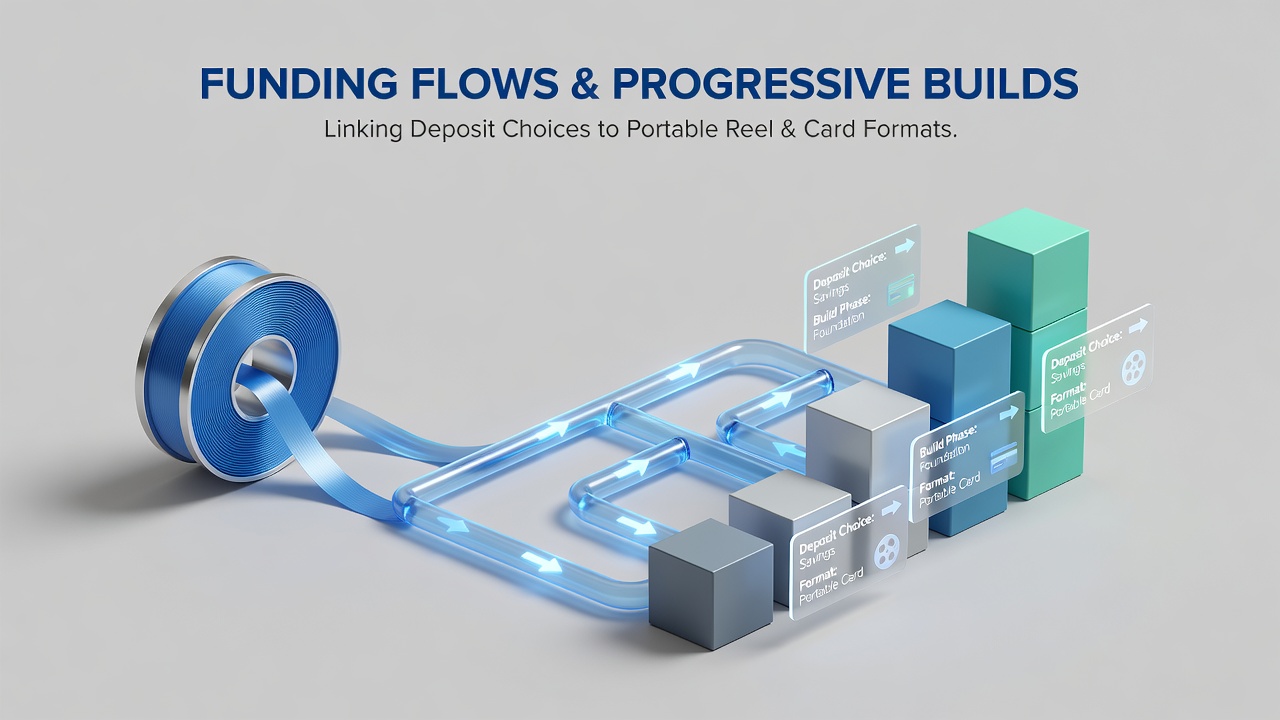
Payment methods continue to influence how funds move into progressive jackpot pools that operate across mobile slot reels and card tables, and observers note clear patterns emerging from transaction data collected over recent years. Different deposit channels carry varying fee structures, processing speeds, and contribution rates that operators apply when allocating portions of each wager to shared prize pools, which means the choice of funding method can affect both the pace and scale of jackpot accumulation in portable formats.
Industry reports indicate that credit and debit card deposits often route through processors that apply standard merchant fees, while e-wallet and bank transfer options sometimes bypass certain intermediaries and deliver funds with lower overhead. Those lower costs allow operators to direct a marginally higher percentage toward progressive meters in some cases, although the exact allocation remains governed by game rules and licensing conditions rather than payment type alone. Research from the Nevada Gaming Control Board shows that mobile platforms accounted for over 60 percent of progressive contributions in regulated markets during the first half of 2026, with card-based deposits representing the largest single channel by volume.
Mechanics of Progressive Pool Funding
Progressive jackpots in mobile reel and card formats rely on continuous contributions from player wagers, and each deposit method feeds into this system through distinct technical pathways. When a player selects a funding option, the transaction processor verifies the amount, deducts any applicable fees, and credits the gaming wallet before the first spin or hand begins. A fixed percentage of every qualifying bet then moves automatically into the progressive pool, which may span multiple games or jurisdictions depending on the network configuration.
Data collected by the New Jersey Division of Gaming Enforcement reveals that average contribution rates to major progressive networks range between 0.5 and 3 percent of each wager, with the precise figure set by game mathematics rather than deposit channel. Yet the speed at which funds become available for wagering can differ substantially, and faster-settling methods such as certain digital wallets enable players to begin contributing to progressives within seconds of completing a deposit.
Regional Variations in Deposit Preferences
Across different regulated markets, preferences for deposit types vary and produce measurable differences in how quickly progressive pools grow. In several Canadian provinces, for instance, Interac transfers dominate mobile casino funding and settle almost instantly, allowing continuous play that sustains steady contributions to shared reel and card jackpots. European operators report higher usage of local bank transfers and prepaid vouchers, which sometimes introduce brief delays but maintain comparable overall contribution volumes once funds reach player accounts.
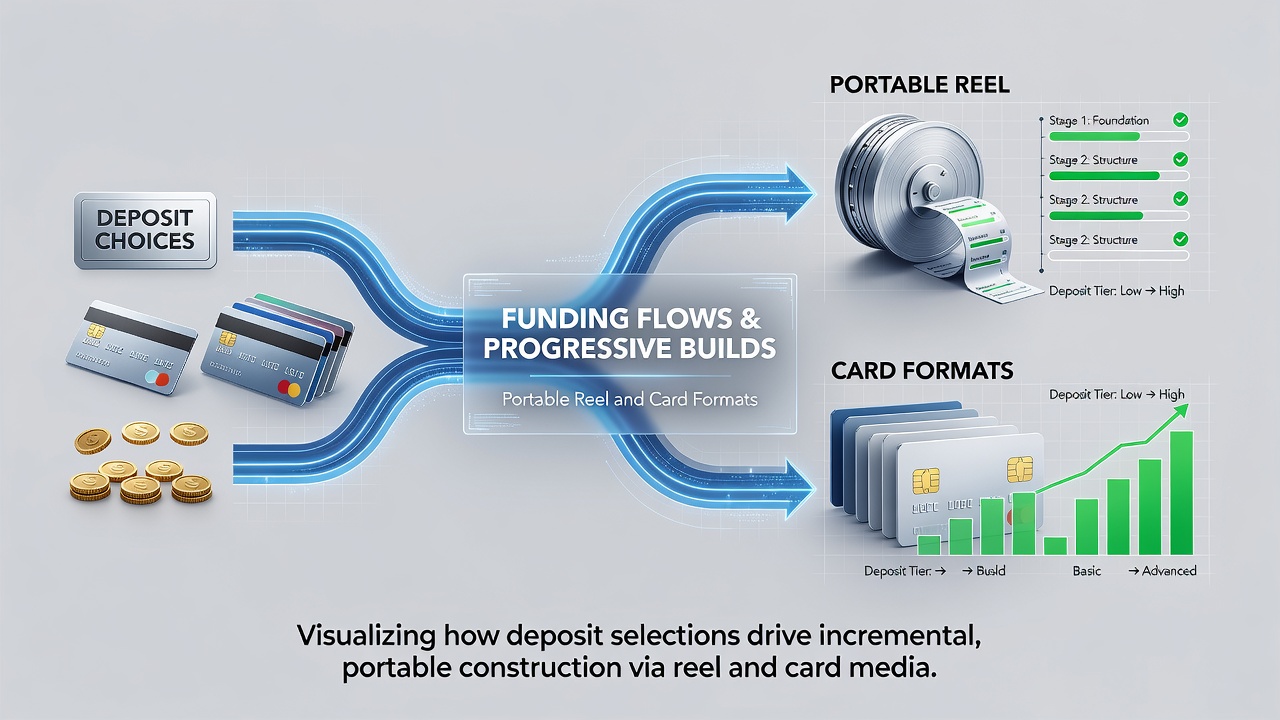
One study published by the University of Nevada, Las Vegas International Gaming Institute examined transaction logs from multiple operators and found that cryptocurrency deposits, though still a smaller share of total volume, often bypass traditional banking rails and reach gaming wallets with minimal friction. This efficiency can translate into quicker participation in progressive builds, particularly during late-night or cross-border sessions when conventional banking hours limit other options.
Technical Integration and Pool Management
Modern mobile platforms integrate payment gateways directly with progressive jackpot controllers, creating seamless flows from deposit confirmation to meter updates. When a deposit clears, the system tags the funds according to their source and applies the appropriate contribution rules to every subsequent bet placed on progressive-enabled titles. Card-format games such as blackjack or baccarat versions that feature progressive side bets follow the same logic, routing a portion of each qualifying wager into the shared pool alongside reel-based contributions.
August 2026 brought updated reporting standards from several international gaming associations that now require operators to disclose aggregate contribution data by payment category. These requirements aim to increase transparency around how different funding methods support prize pools without altering the underlying mathematics of the games themselves.
Future Considerations for Mobile Progressive Systems
Emerging payment technologies continue to expand the range of deposit choices available to mobile users, and each new option introduces fresh variables into the funding equation. Real-time settlement rails and embedded finance solutions promise even faster fund availability, which could support more consistent participation in progressive networks that span reel and card formats. Regulatory frameworks in multiple jurisdictions now emphasize secure transaction handling and responsible funding limits, both of which indirectly affect the volume of wagers that feed progressive pools.
Conclusion
Deposit choices shape the pathways through which funds reach mobile progressive systems, yet the core contribution mechanics remain consistent across payment types. Tracking these flows provides operators and regulators with clearer visibility into how different funding methods support jackpot growth in portable reel and card environments, while players benefit from faster access that keeps contributions flowing without interruption.