29 Jul 2026
Global Crypto Networks Bridge Slot Bonuses to Live Casino Progressives
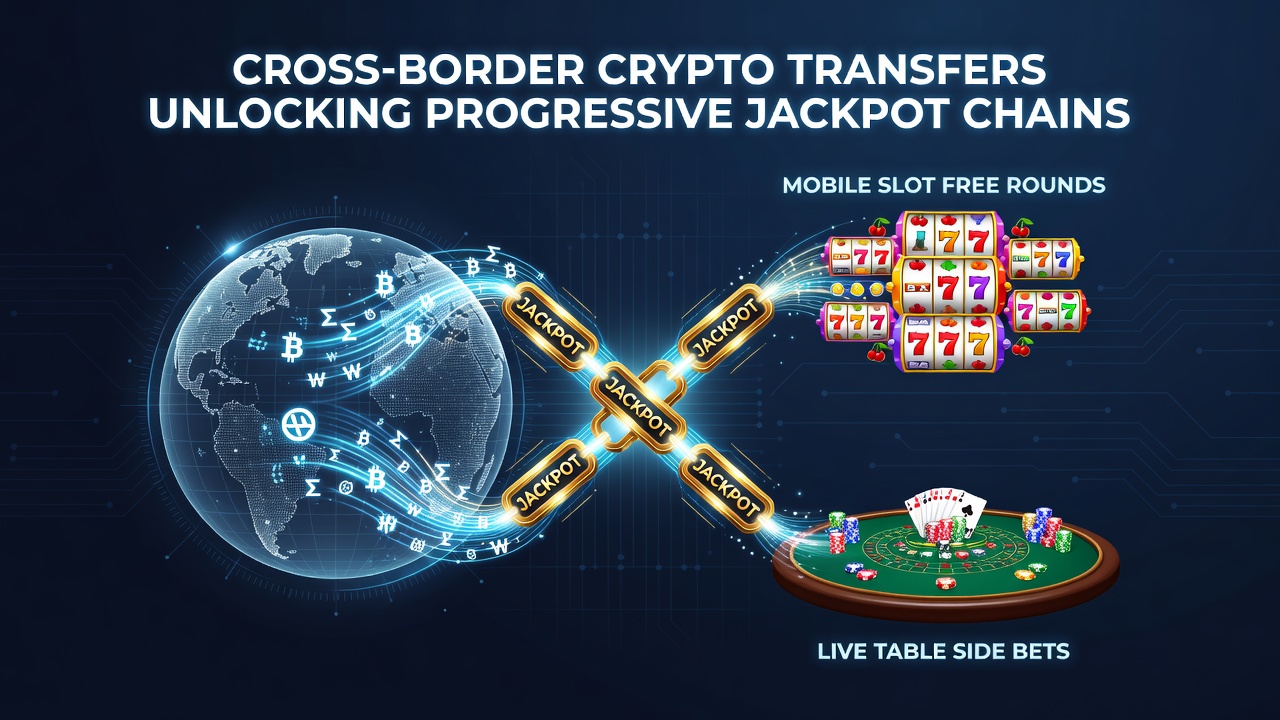
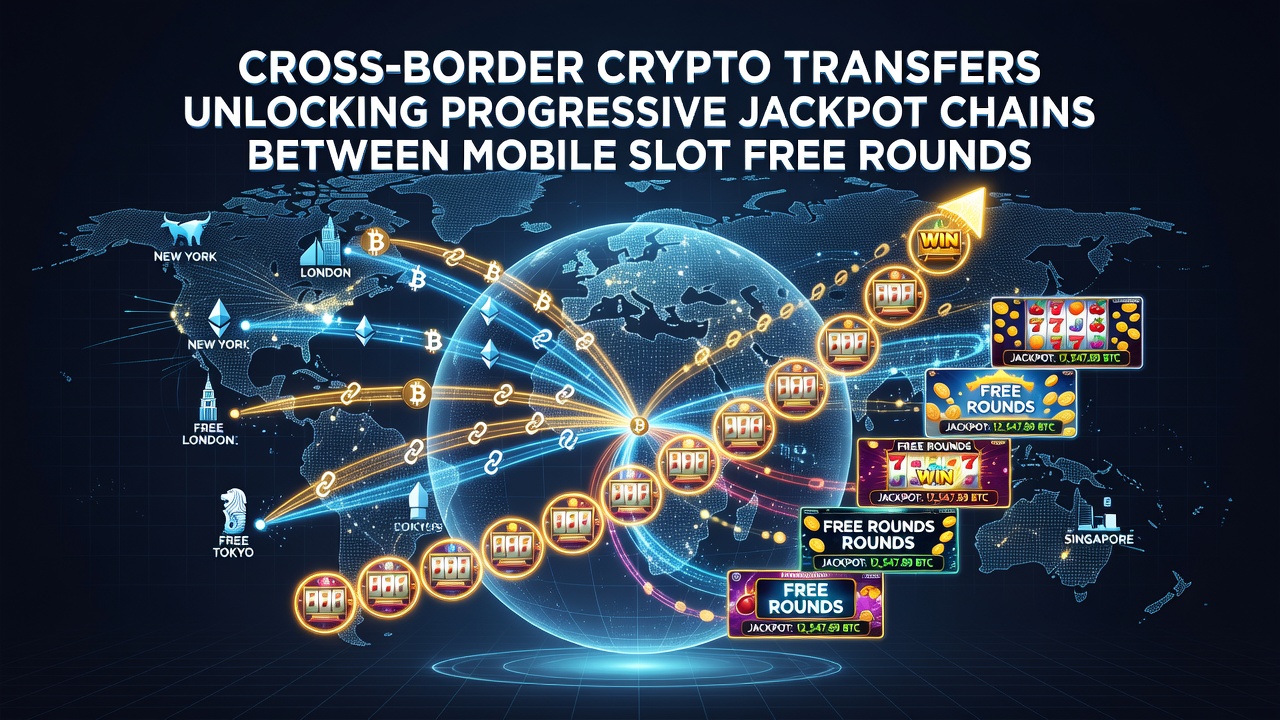
Crypto networks now enable direct movement of bonus value from mobile slot free rounds into live table side bets, and this linkage creates shared progressive jackpot chains that span multiple jurisdictions. Players convert winnings from slot spins into digital tokens that transfer across platforms in seconds, while the same assets feed into live dealer pools where side bet contributions accumulate toward larger prizes. Data from international gaming studies indicate that such transfers have grown steadily since 2023, particularly in markets where blockchain infrastructure supports instant settlement without traditional banking delays.
How the Transfer Mechanism Operates
Smart contracts on public ledgers record each conversion from free round credits to tokenized value, and operators integrate these contracts with both slot engines and live dealer interfaces. When a player triggers a free round on a mobile device, any resulting credits enter a wallet address that operators recognize across game categories. The same address then permits direct staking on live table side bets, where contributions automatically join progressive meters that draw from multiple regions. Observers note that this process eliminates separate bonus wallets and reduces the steps required to move value between game types.
Transaction fees on major chains have fallen below one cent in many cases, and settlement times average under thirty seconds during peak hours. These figures come from network analytics reported by blockchain monitoring services that track casino-related activity. Meanwhile, operators in licensed markets must maintain compliance logs that record each transfer for audit purposes, and regulatory bodies in Canada and Australia require similar documentation for cross-border activity.
Regional Adoption Patterns Through Mid-2026
Canadian provinces that permit online gaming reported measurable uptake of crypto-linked bonus systems by early 2026, with Ontario data showing a rise in multi-game jackpot participation. Australian operators followed a similar path after updates to digital asset rules allowed licensed platforms to accept stablecoin deposits for bonus conversion. Figures released in July 2026 from cross-regional gaming reports reveal that progressive pools fed by crypto transfers grew 18 percent year-over-year in participating jurisdictions, while average contribution sizes per player remained consistent with fiat-based side bets.
European operators outside the UK have tested parallel systems, and industry groups such as the European Gaming and Betting Association have published technical guidelines that address interoperability between slot and live dealer systems. Those guidelines emphasize audit trails and player protection measures that remain consistent regardless of the underlying payment rail.
Technical and Compliance Considerations
Wallet integration requires operators to maintain separate liquidity pools for each supported chain, yet many platforms now use automated bridges that convert between tokens without player intervention. Security protocols include multi-signature approvals for large transfers and real-time monitoring for unusual patterns that could indicate money laundering. Research from academic centers focused on financial technology indicates that these controls have kept fraud rates comparable to traditional payment methods in regulated environments.
Tax reporting follows the same rules that apply to any gambling win, and players receive transaction histories that operators generate automatically at year-end. Jurisdictions that introduced crypto-specific guidance in 2025 and 2026 continue to refine record-keeping standards, while operators adjust their systems to meet those standards without interrupting gameplay flow.
Future Integration Points
Developers continue to explore additional game categories that could join the same progressive networks, and early tests include video poker variants that accept side bet contributions from slot-derived tokens. The technical architecture already supports such expansion because the underlying smart contracts treat all contributions as equivalent inputs to a shared meter. Industry reports project that by late 2027 the number of connected game types will increase, provided regulatory clarity keeps pace with the technology.
Conclusion
Cross-border crypto transfers have established a functional link between mobile slot free rounds and live table side bets, allowing progressive jackpots to draw from wider player bases across borders. Regulatory frameworks in multiple regions now accommodate these transfers through established compliance channels, and technical standards continue to evolve in line with network improvements. The result is a more interconnected bonus ecosystem that operates on documented, auditable rails rather than isolated game silos.